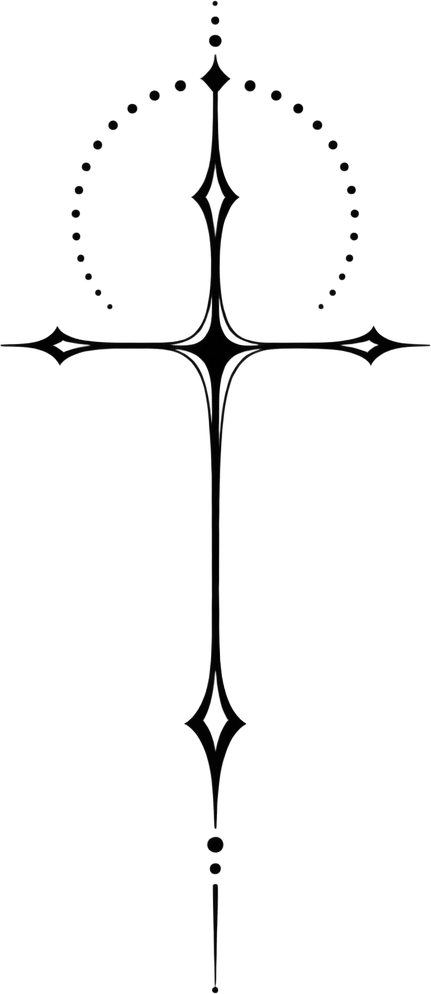
Fine line
Fine-line concepts depend on restraint. Prioritize a recognisable silhouette, breathing room and linework your artist can adapt to your chosen placement.
Explore Fine lineCompare 7 tattoo styles through design references, composition advice and prompt examples, then start creating from your own idea.
Create My Tattoo DesignFine-line concepts depend on restraint. Prioritize a recognisable silhouette, breathing room and linework your artist can adapt to your chosen placement.
Explore Fine line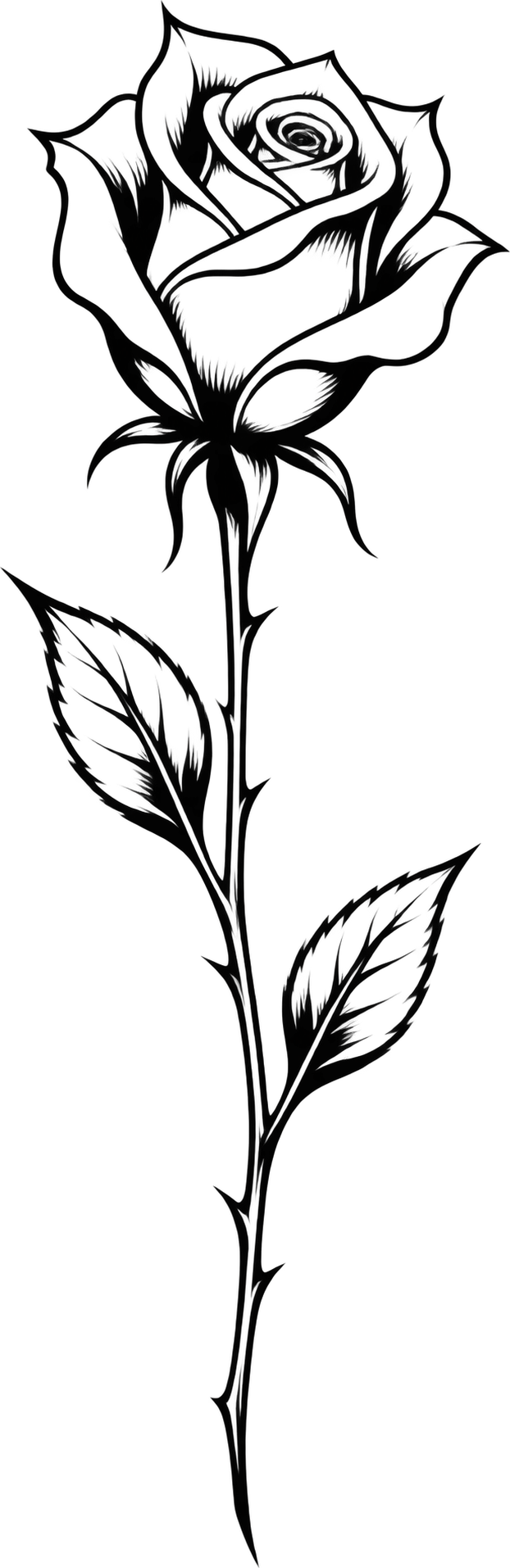
Strong blackwork balances filled areas with open skin. The result should read from a distance while still offering controlled detail up close.
Explore Blackwork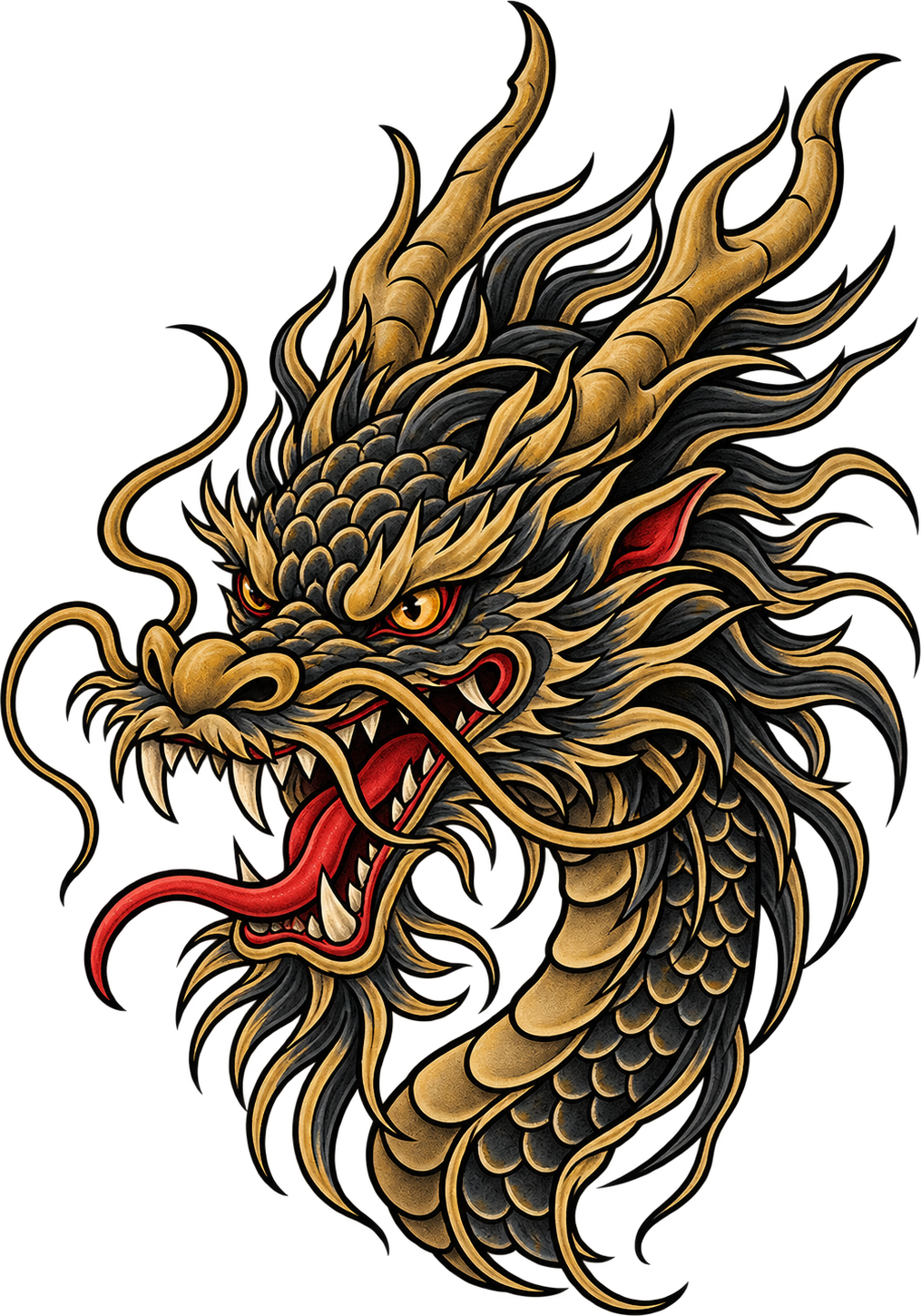
Traditional references emphasise clarity through heavy outlines, solid colour and compact forms. Compare how the main shape reads before adding smaller accents.
Explore Traditional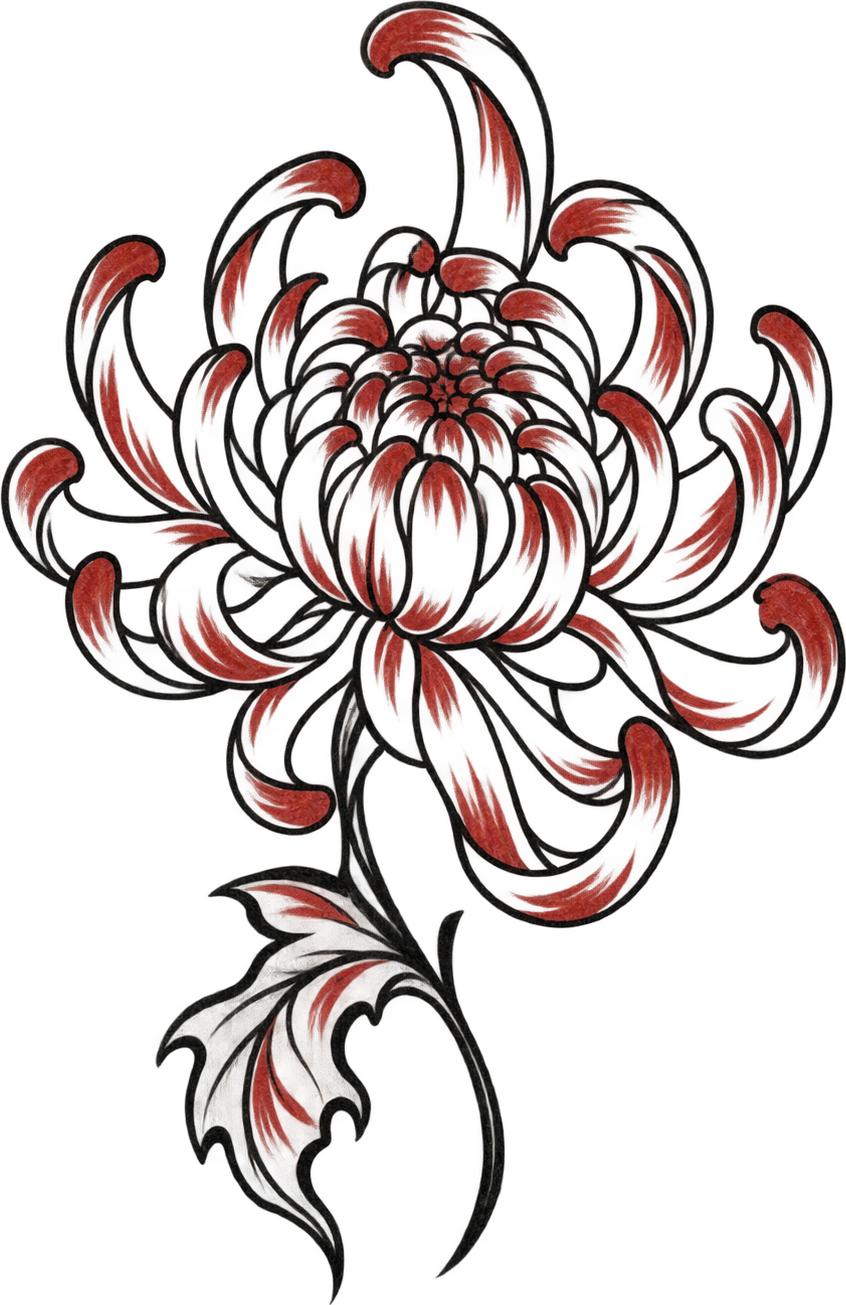
Japanese-inspired work often connects a central subject with wind, water, clouds or flowers to create movement across the body's contours.
Explore Japanese
Geometric tattoos rely on proportion and alignment. The strongest concepts use structure to clarify the subject rather than adding shapes without purpose.
Explore Geometric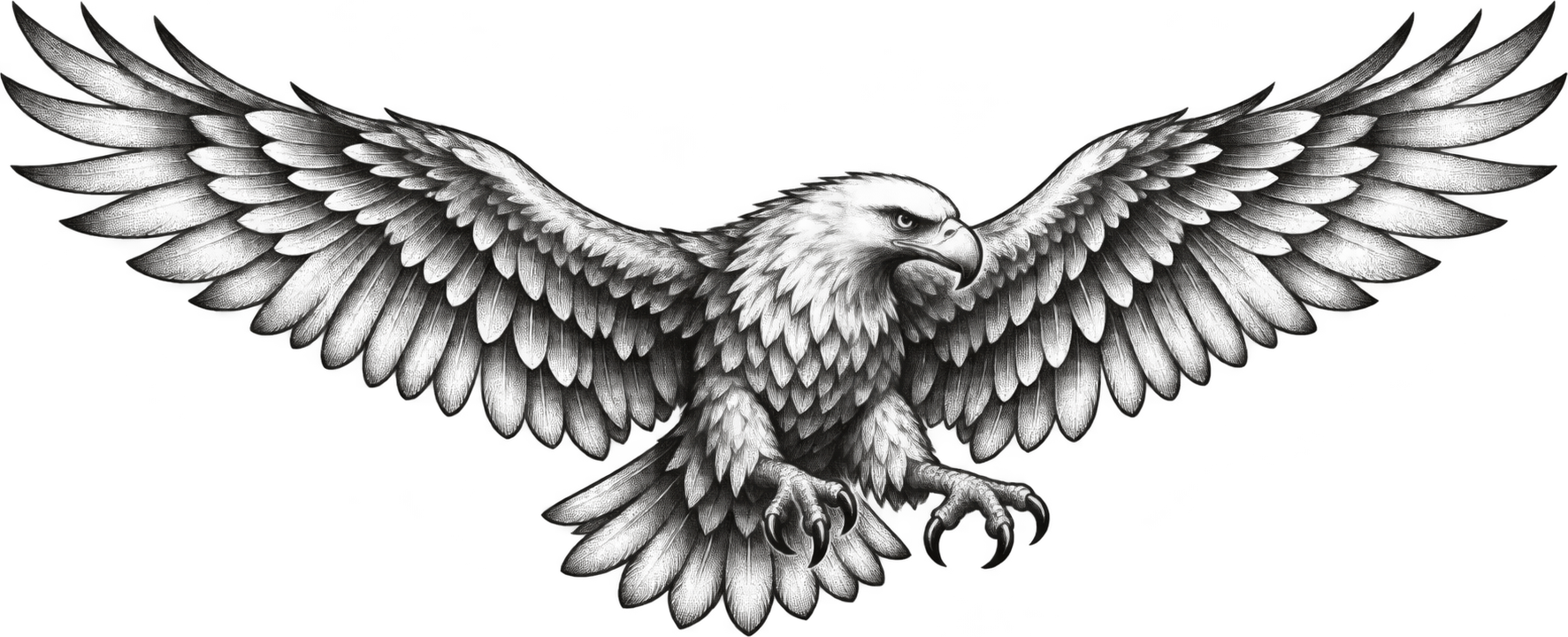
Realism depends on reference quality, tonal range and scale. Leave room for the specialist to simplify detail that will not age well in skin.
Explore Realism
Choose a recognizable shape, balanced spacing and a single focal point. Wrist and ankle placements need a compact composition that stays clear of moving joints; the forearm offers more room for an elongated shape. Keep tiny text, closely packed lines and miniature shading out of the first draft. Bring both the standalone design and a placement preview to your consultation so your artist can adapt scale, orientation and line weight.
Explore Minimalist