Build the composition
Build around a recognisable subject with a decisive outline and a limited colour palette. Let the outer contour carry the eagle, rose or animal shape before adding interior accents and small decorative elements.
Explore an American traditional direction with bold outlines, compact storytelling, recognizable motifs and a deliberately limited palette.
Two free designs with signup · private by default
Example prompt
“An American traditional swallow carrying a small banner, bold black outline, red and gold accents, compact composition for the shoulder”
Choose one main icon and one supporting element. Traditional tattoos stay powerful when the message is direct and the shapes are uncomplicated.
These are AI-generated concepts, not photographs of completed tattoos. Open a reference in photo try-on to compare position and scale. The preview is a two-dimensional image; centimetres are design targets, not body measurements. Review the final design with your tattoo artist.
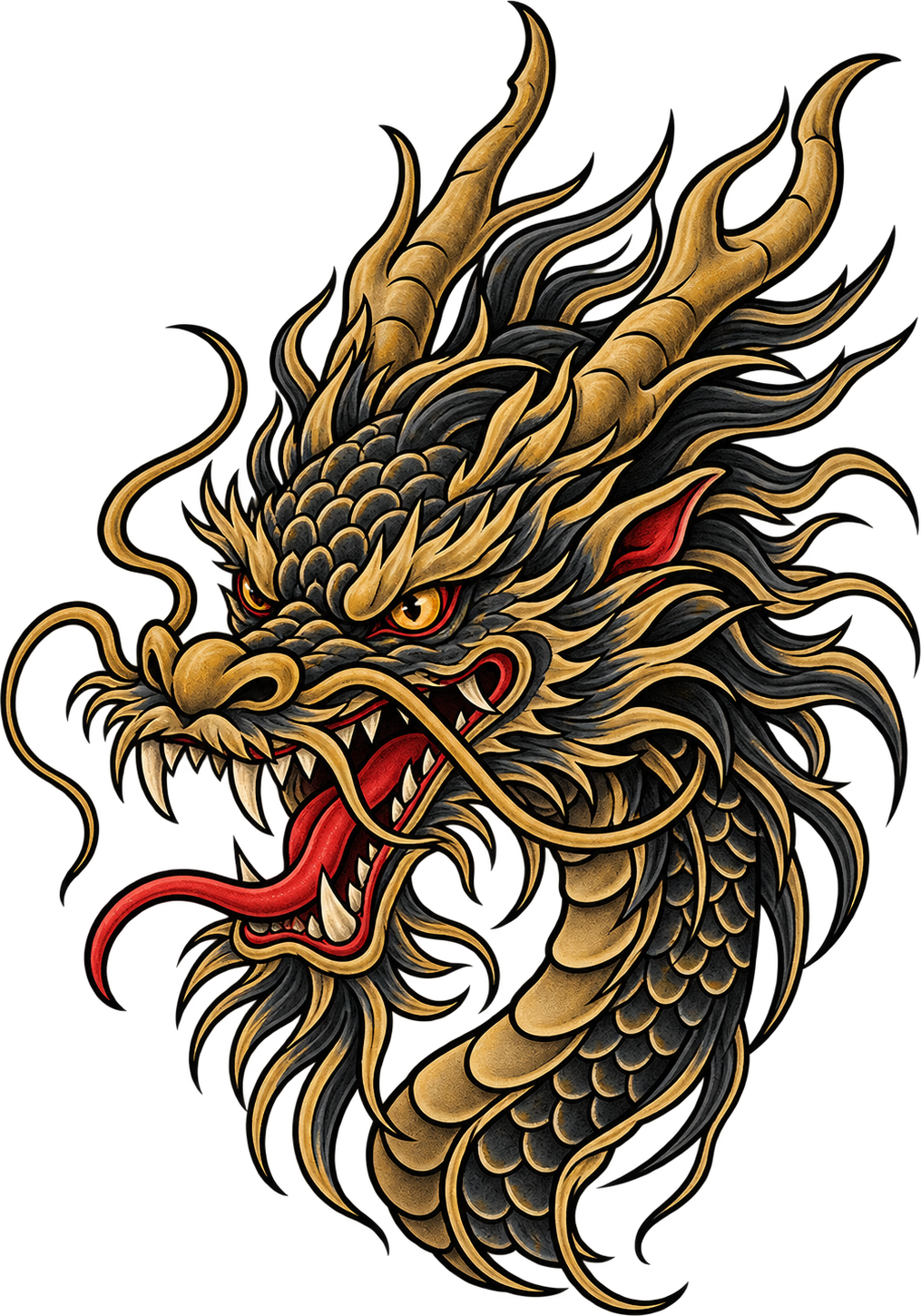
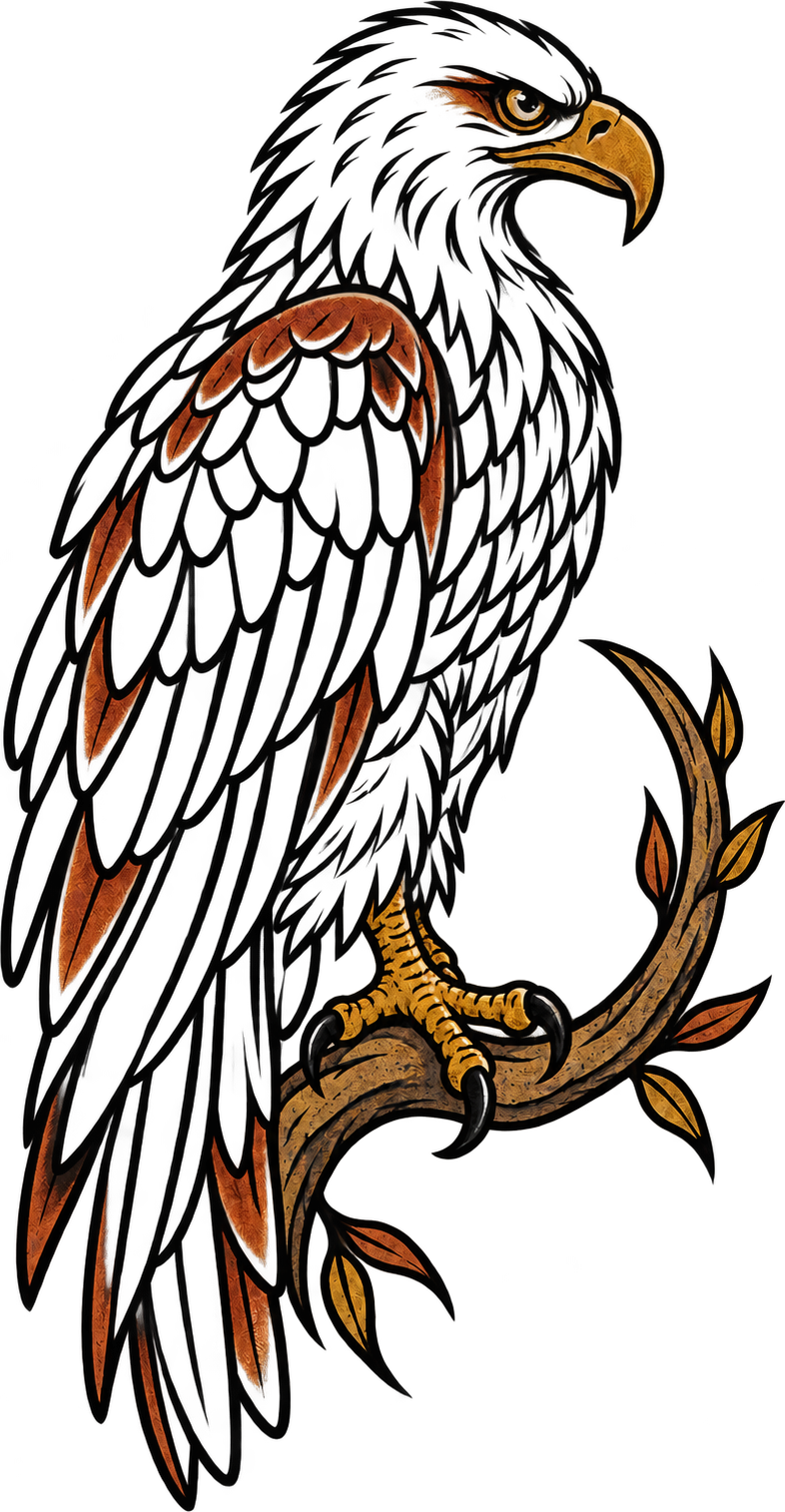
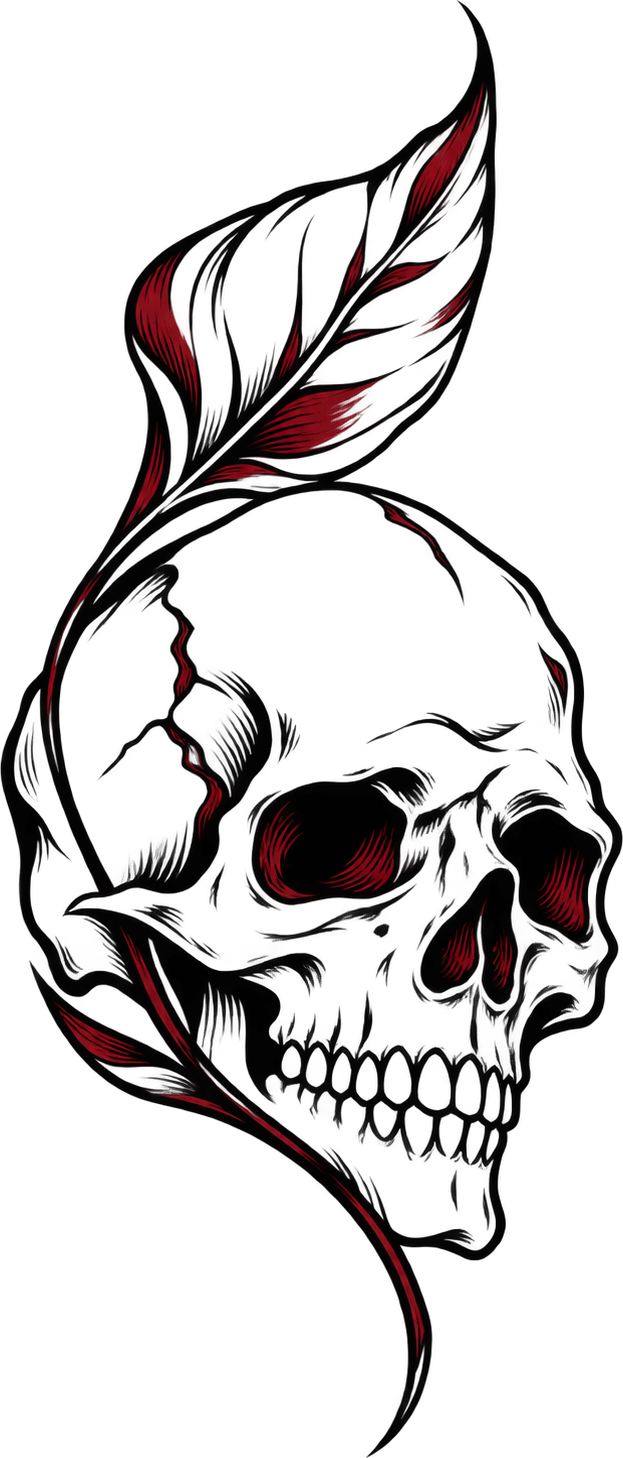
Traditional references emphasise clarity through heavy outlines, solid colour and compact forms. Compare how the main shape reads before adding smaller accents.
Build around a recognisable subject with a decisive outline and a limited colour palette. Let the outer contour carry the eagle, rose or animal shape before adding interior accents and small decorative elements.
A compact emblem and a longer forearm motif need different proportions. Compare the outline against your visible skin area, keeping important parts of the subject clear of wrists, knuckles and clothing.
Reduce photographic texture and excessive gradients when they compete with the bold outline. Too many competing symbols can weaken the simple, readable shape that gives a traditional concept its character.
Traditional references typically emphasise clear outlines, compact motifs and a restrained palette. Neo-traditional references can use more elaborate ornament, broader colour choices and more dimensional shading. Discuss the specific reference with your artist.
Compare the outer shape first, then check whether interior accents remain separate. A simpler emblem may suit the space better than shrinking a detailed scene. Your artist should determine the final line weights and size.
No. It is a visual concept. A professional tattoo artist should redraw and adapt it for size, placement, aging and skin safety.
No. Signed-in concepts stay in your private library and are not automatically published in a public gallery.