Build the composition
Start with one recognisable idea and remove marks that repeat the same information. Let the surrounding empty space be part of the composition. A single curve or compact symbol should have a deliberate centre of attention.
Start with one meaningful subject and remove anything that does not help it read. Minimalist tattoos can use a confident bold line or a delicate outline; simplicity is about composition, not just thin needles. Compare the silhouette at your intended size before adding detail.
Two free designs with signup · private by default
Example prompt
“A single flowing black outline of a resting swallow, one open wing and generous negative space, no micro-detail, compact horizontal composition for the inner forearm”
A small design still needs breathing room. Ask your artist to choose line weight and spacing for your skin and intended size; a photo preview cannot predict healing or long-term aging.
These are AI-generated concepts, not photographs of completed tattoos. Open a reference in photo try-on to compare position and scale. The preview is a two-dimensional image; centimetres are design targets, not body measurements. Review the final design with your tattoo artist.
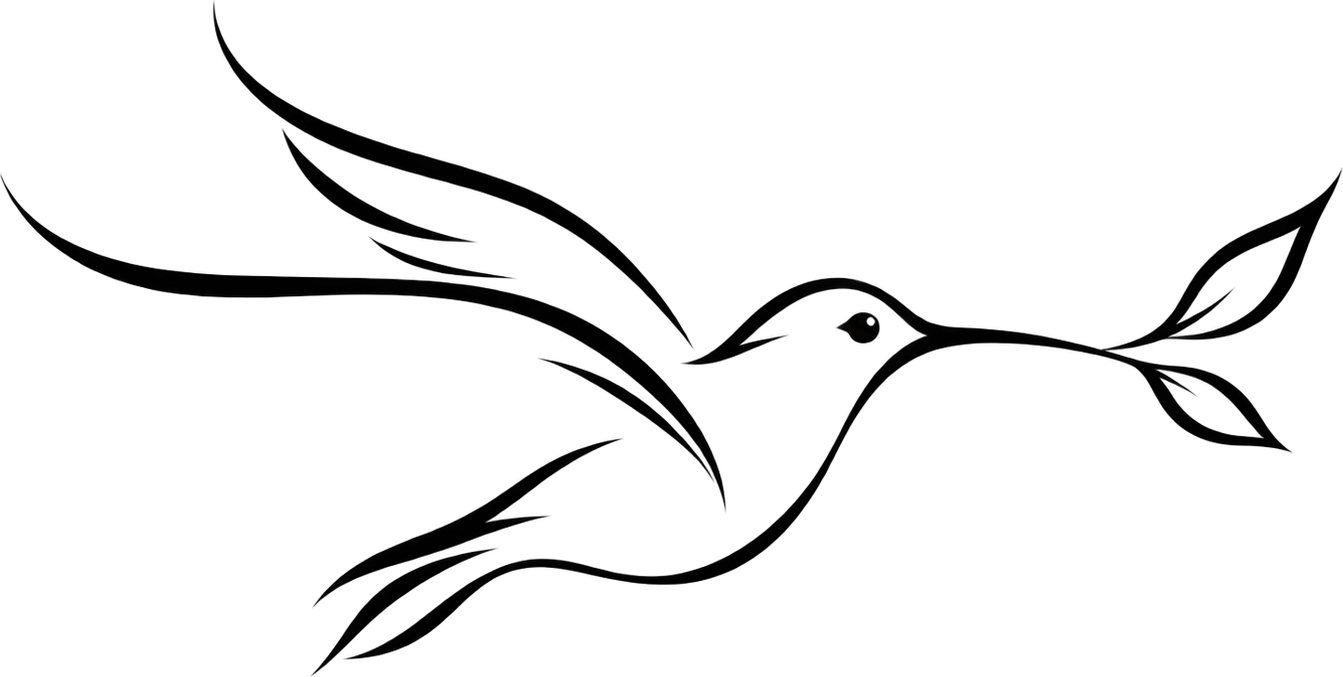
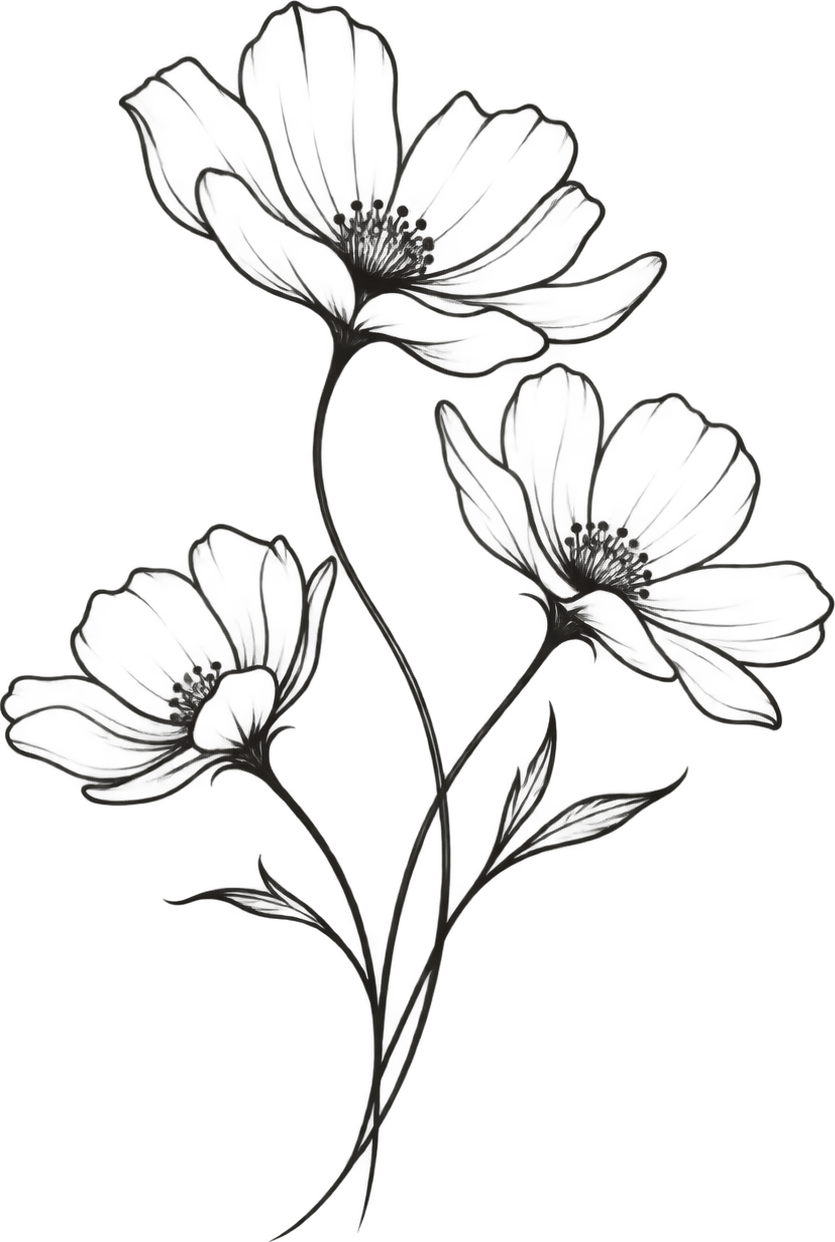
Choose a recognizable shape, balanced spacing and a single focal point. Wrist and ankle placements need a compact composition that stays clear of moving joints; the forearm offers more room for an elongated shape. Keep tiny text, closely packed lines and miniature shading out of the first draft. Bring both the standalone design and a placement preview to your consultation so your artist can adapt scale, orientation and line weight.
Start with one recognisable idea and remove marks that repeat the same information. Let the surrounding empty space be part of the composition. A single curve or compact symbol should have a deliberate centre of attention.
Compare orientation and surrounding space on the wrist, ankle or another visible area. Keep the motif clear of clothing edges and moving joints. A small mark can feel very different when its direction changes.
Avoid adding symbols simply to fill an empty area. Minimalism depends on intentional omissions, not just a small image. If the meaning requires many tiny parts, try a clearer focal symbol instead.
No. A minimalist composition can use a bold line or a solid shape. What matters is reducing the design to its essential visual information; fine-line describes the line treatment rather than the number of elements.
Use the same design at a few scales and orientations on your own photo. Compare the empty space around it as well as the mark itself. The photo is a planning aid; your artist should confirm the final size and position.
No. It is a visual concept. A professional tattoo artist should redraw and adapt it for size, placement, aging and skin safety.
No. Signed-in concepts stay in your private library and are not automatically published in a public gallery.