Build the composition
Choose a main subject such as a koi, dragon or flower, then arrange supporting waves or clouds to reinforce its direction. Background elements should connect the composition without obscuring the subject's outline.
Shape a flowing concept around symbolic subjects, directional movement and background elements that can follow a larger area of the body.
Two free designs with signup · private by default
Example prompt
“A koi swimming upstream around a lotus, Japanese-inspired flowing water, balanced movement for a half sleeve, black and grey with red accents”
Research the meaning and cultural context of every motif. Ask an artist experienced in Japanese tattooing to correct symbolism and composition.
These are AI-generated concepts, not photographs of completed tattoos. Open a reference in photo try-on to compare position and scale. The preview is a two-dimensional image; centimetres are design targets, not body measurements. Review the final design with your tattoo artist.
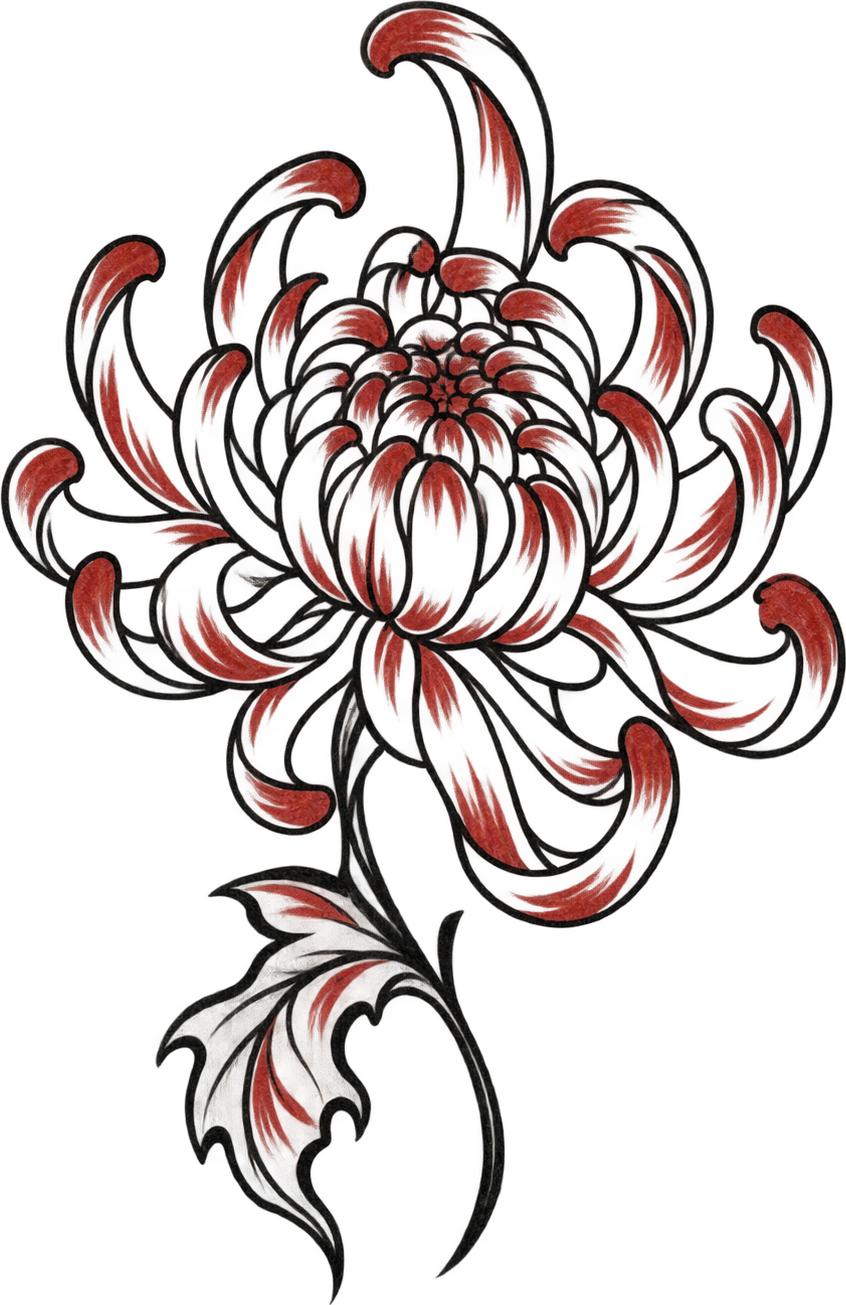
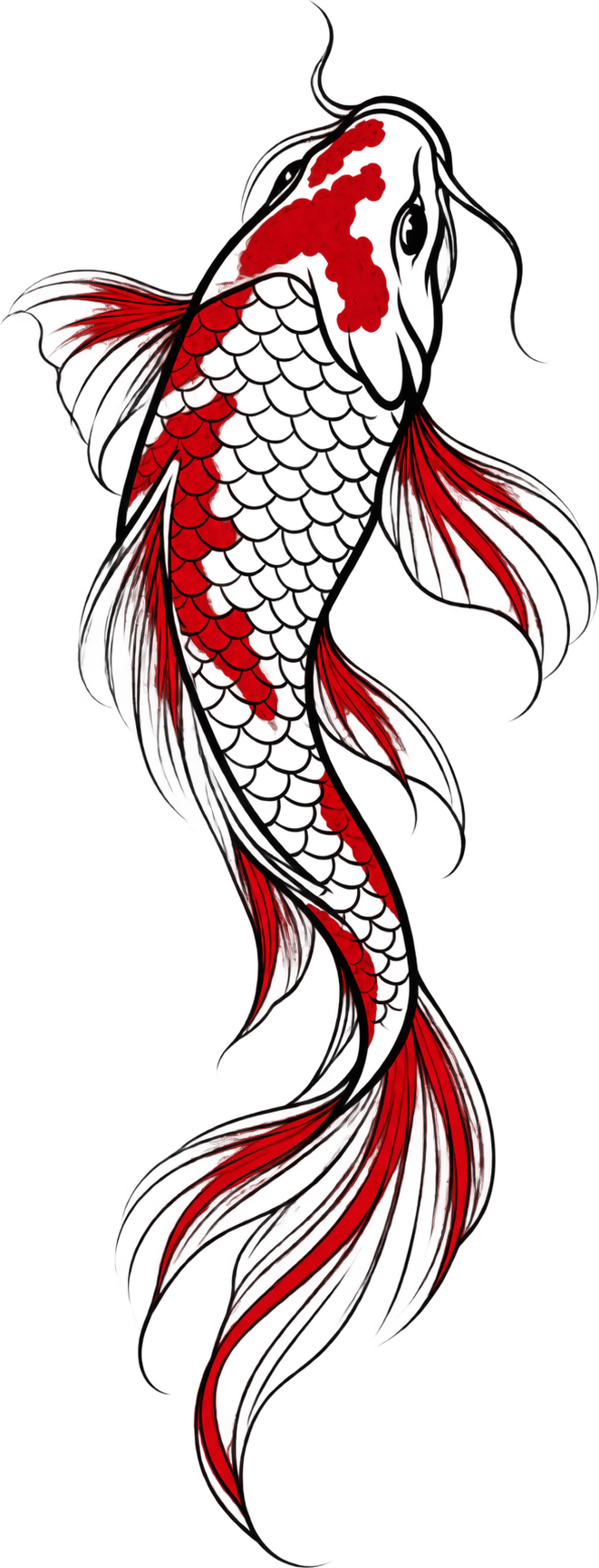
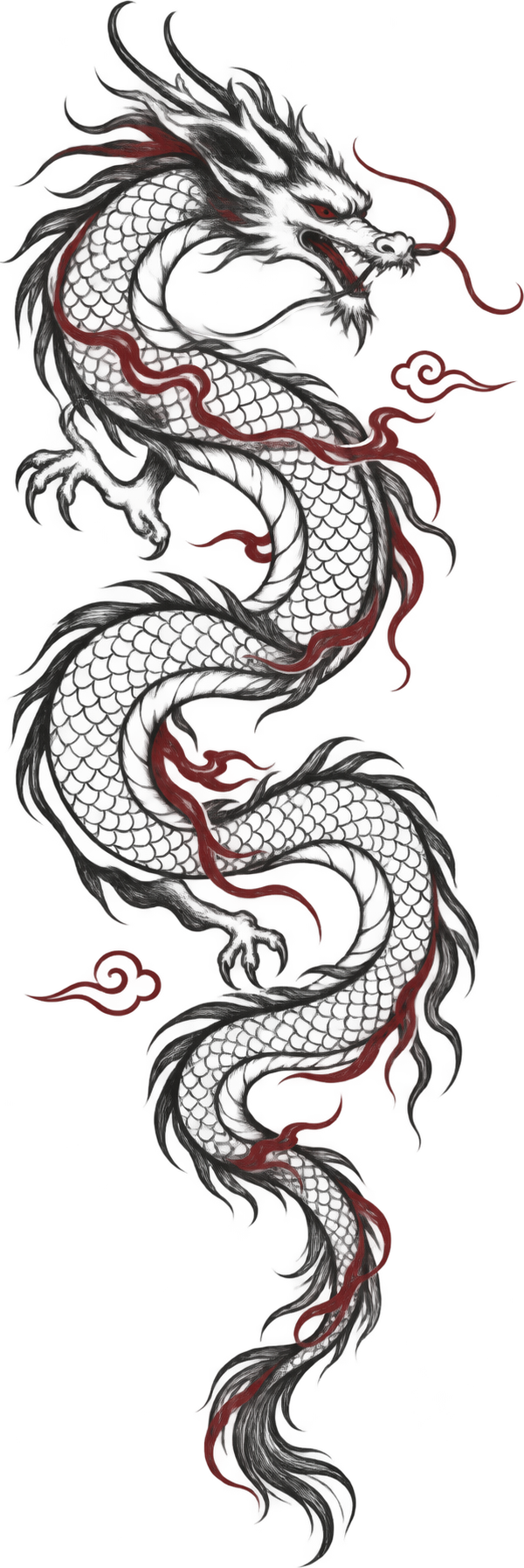
Japanese-inspired work often connects a central subject with wind, water, clouds or flowers to create movement across the body's contours.
Choose a main subject such as a koi, dragon or flower, then arrange supporting waves or clouds to reinforce its direction. Background elements should connect the composition without obscuring the subject's outline.
Plan the panel you can actually see in the photo. A long arm design can suggest movement, but a single flat preview cannot validate a sleeve, its hidden side or continuity around the body. Those require an artist's placement plan.
Avoid squeezing a full scene into a narrow patch of skin. Simplify background bars and decorative textures before reducing the main subject. Check that fins, horns and petals do not end at awkward clothing boundaries.
No. It shows one visible photograph and a two-dimensional design. It does not verify a continuous wrap, the inside of the arm or how separate panels connect. Use it as a discussion reference for an artist-designed sleeve.
Keep the main subject, its direction and a few supporting background shapes. Compare how much surrounding skin the visible panel leaves. Ask your artist how to extend or simplify the composition for the actual placement.
No. It is a visual concept. A professional tattoo artist should redraw and adapt it for size, placement, aging and skin safety.
No. Signed-in concepts stay in your private library and are not automatically published in a public gallery.